
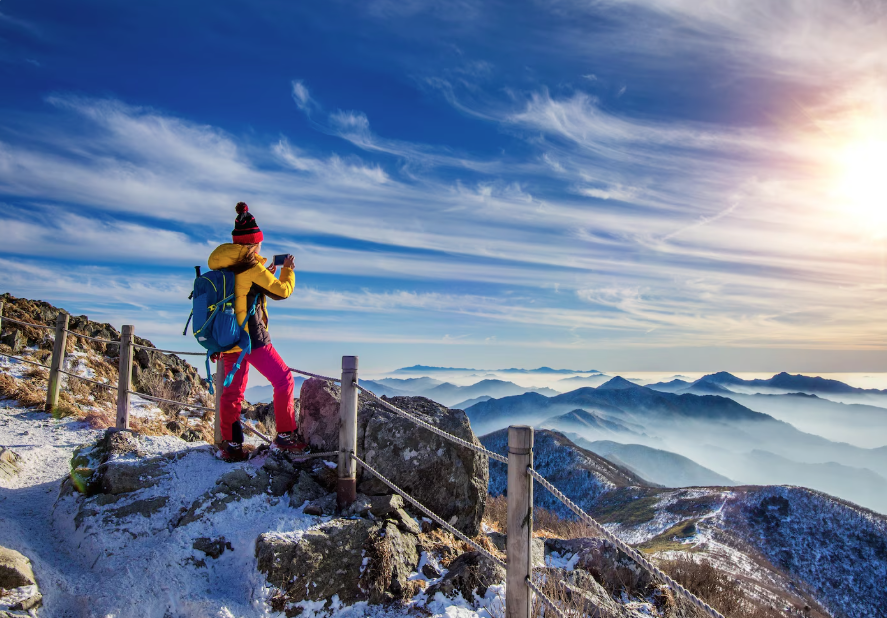
The Adventure in Manaslu is one of Nepal’s most rewarding Himalayan journeys—raw, demanding, and profoundly beautiful. Centered on the legendary crossing of Larkya La Pass (5,160 m), this trek weaves through remote valleys, ancient villages, dramatic glaciers, and pristine alpine landscapes beneath Mount Manaslu (8,163 m), the world’s eighth-highest peak. For trekkers seeking a genuine high-altitude adventure away from crowds, the Manaslu region offers an experience that is as culturally immersive as it is physically challenging.
This article explores the essence of adventure in the Manaslu High Pass, highlighting terrain, culture, preparation, and the emotional rewards of crossing one of Nepal’s most iconic Himalayan passes.
The Manaslu Region: A Hidden Himalayan Kingdom
Located in west-central Nepal, the Manaslu region remains comparatively untouched due to its restricted trekking status. Unlike commercialized routes, the Manaslu trail preserves a sense of exploration. The trek follows the Budhi Gandaki River from subtropical forests to high alpine deserts, offering constant environmental change.
Villages such as Soti Khola, Samagaun, and Samdo showcase a strong Tibetan Buddhist heritage. Prayer flags flutter in the wind, mani walls line the trails, and centuries-old monasteries anchor daily life. This blend of natural grandeur and living culture defines the Manaslu adventure.
Keywords naturally embedded: Manaslu trekking, remote Nepal, Himalayan culture, Buddhist villages, restricted trekking area.
Larkya La Pass: The Heart of the Adventure
The defining challenge—and highlight—of the trek is the Larkya La Pass. At 5,160 meters, it is one of the longest and most dramatic Himalayan pass crossings. The approach begins from Dharamsala (also called Larkya Phedi), often before dawn, as trekkers set out under starlight to beat afternoon winds.
The trail ascends over moraines, frozen lakes, and snow-covered ridges. Oxygen thins, breath shortens, and every step demands focus. Yet the reward is extraordinary: panoramic views of Himlung Himal, Cheo Himal, Kang Guru, and Annapurna II stretching across the horizon.
Crossing Larkya La is not merely a physical achievement; it is a mental and emotional triumph, embodying the true spirit of adventure trekking.
Keywords naturally embedded: Larkya La Pass crossing, high-altitude trekking, Himalayan high pass, extreme adventure Nepal.
The Physical and Mental Challenge
Adventure in the Manaslu High Pass is defined by endurance. Long trekking days, significant elevation gain, and unpredictable weather require solid fitness and preparation. Snowfall can occur even in peak seasons, and strong winds near the pass test resolve.
Equally important is acclimatization. Rest days in Samagaun and Samdo allow the body to adapt, while side hikes to Manaslu Base Camp or nearby ridges improve altitude tolerance. Trekkers learn patience—moving slowly, hydrating constantly, and listening to their bodies.
The mental challenge is subtle but powerful. Isolation, silence, and the vastness of the Himalayas force introspection. Many trekkers describe the Manaslu High Pass adventure as transformational, fostering resilience, humility, and clarity.
Natural Beauty: From Jungle to Glacier
One of Manaslu’s greatest strengths is its diverse landscape. The trail begins in lush lowlands with waterfalls, terraced farms, and dense forests of rhododendron and pine. As altitude increases, vegetation thins, revealing wide valleys, yak pastures, and glacial basins.
Near the high pass, the environment becomes stark and otherworldly—ice, rock, and sky dominating the senses. This dramatic contrast makes Manaslu trekking visually compelling from start to finish.
Wildlife sightings may include blue sheep, Himalayan marmots, and—rarely—snow leopard tracks. The region lies within the Manaslu Conservation Area, reinforcing its ecological importance.
Keywords naturally embedded: Himalayan landscapes, glacier trekking, Manaslu conservation area, remote mountain scenery.
Cultural Depth Along the Trail
Adventure in Manaslu is not limited to physical challenge. The cultural experience is equally enriching. Villages follow Tibetan customs, with stone houses, prayer wheels, and seasonal migration patterns tied to yak herding.
Monasteries such as Pungyen Gompa reflect centuries of spiritual continuity. Trekkers are guests in living communities, where respect and cultural awareness are essential. Simple interactions—sharing tea, exchanging greetings, observing rituals—create lasting impressions.
This cultural authenticity distinguishes Manaslu from more commercial treks, adding depth and meaning to the journey.
Preparation and Responsible Trekking
Proper preparation is critical for a successful Manaslu High Pass adventure. Trekkers require a restricted area permit, must travel with a licensed guide, and should plan logistics carefully.
Key preparation elements include:
- Cardiovascular and strength training for steep ascents
- Experience with high-altitude trekking
- Cold-weather clothing and layered gear
- Travel insurance covering high-altitude evacuation
Equally important is responsible trekking. Minimizing waste, respecting local customs, and supporting local lodges contribute to sustainable tourism and community well-being.
Best Season for the Manaslu High Pass
The ideal seasons for Manaslu trekking are spring (March–May) and autumn (September–November). Spring offers blooming rhododendrons and stable snow conditions, while autumn provides clear skies and crisp mountain views.
Winter crossings are possible but demanding, with deep snow and extreme cold. Monsoon season brings landslides and limited visibility, making it unsuitable for the high pass.
Keywords naturally embedded: best time for Manaslu trek, autumn trekking Nepal, spring Himalayan adventure.
Why the Manaslu High Pass Is a True Adventure
What sets the Manaslu High Pass apart is its authenticity. There are fewer trekkers, fewer distractions, and a stronger sense of self-reliance. Each day feels earned. Each vista feels personal.
The combination of altitude, isolation, culture, and raw beauty creates an experience that goes beyond trekking—it becomes a personal expedition. Completing the pass instills confidence and leaves trekkers with a deep respect for the Himalayas.
Conclusion
The Adventure in Manaslu High Pass is a journey into the heart of wild Nepal. It challenges the body, sharpens the mind, and enriches the spirit. From the roar of the Budhi Gandaki River to the silent heights of Larkya La Pass, every step tells a story of endurance and discovery.
For those seeking a meaningful Himalayan adventure—one defined by solitude, culture, and high-altitude challenge—the Manaslu High Pass stands as an unforgettable achievement and a benchmark of true trekking adventure.

