
I’m going to save you from making the same stupid mistake I did.
Last month, I landed in Shanghai feeling smug. I had my passport, a crisp stack of RMB notes, and a Mastercard that worked “everywhere.” I even downloaded a VPN and bought a local SIM card at the airport. I thought I was prepared.
I wasn’t even close.
Twelve hours after landing, I stood in a tiny dumpling shop near my hotel, chopsticks in one hand and my wallet in the other. I’d just demolished the best xiaolongbao of my entire life—juicy, perfect, absolutely worth the ¥18 they cost. I pulled out a 100 RMB note to pay.
The owner looked at my cash like I’d just handed her a seashell.
She didn’t say anything. Just pointed at a faded QR code taped to the counter and waited. The guy behind me in line sighed loudly. Someone’s grandmother was already pulling out her phone to scan and pay. And there I was—holding physical money that nobody wanted.
That was my welcome to 2025 China, where cash isn’t just inconvenient. It’s practically offensive.
The Brutal Truth About Payments in China (That Most Guides Won’t Tell You)
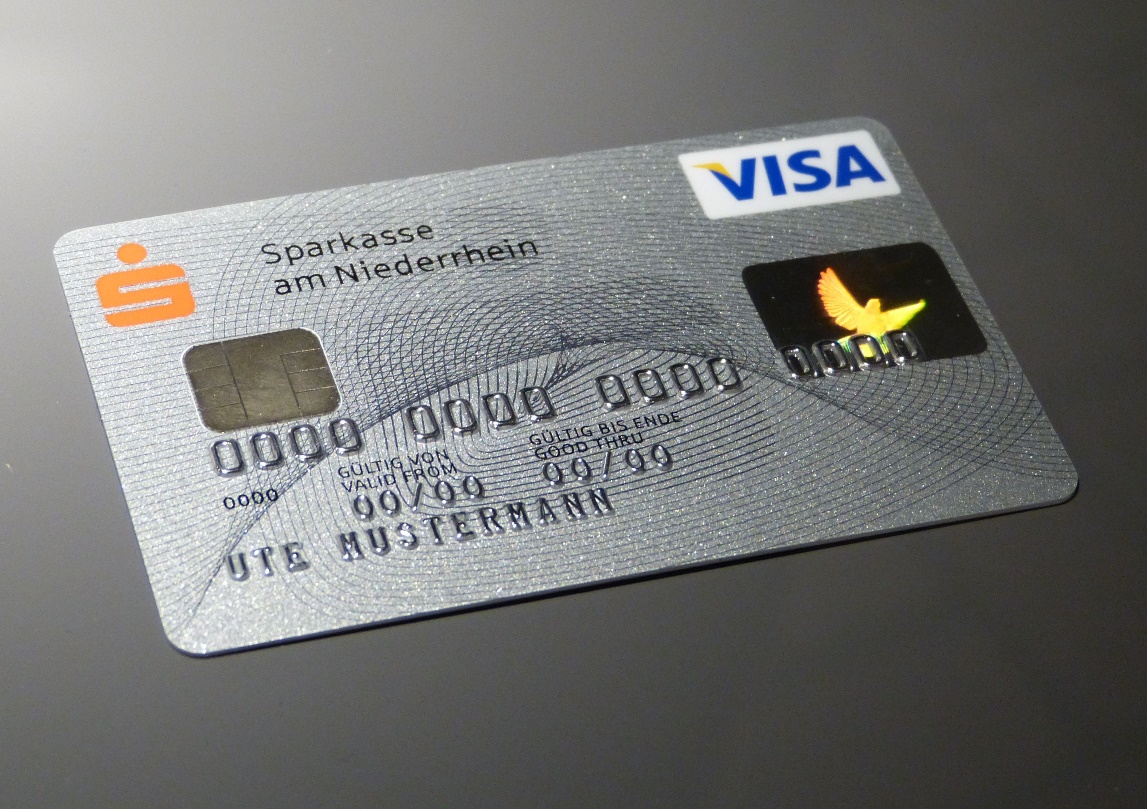
Here’s what every polite travel guide fails to mention: China doesn’t run on Visa, Mastercard, or American Express. Those cards work at exactly three places—your hotel, the airport Starbucks, and maybe one fancy mall in the city center. Everywhere else? You’re screwed.
And cash? Locals treat it like you’re trying to barter with livestock. Street vendors don’t want it. Taxi drivers roll their eyes at it. Even vending machines refuse it. I watched a woman in Beijing get off a bus and pay with her phone while I stood there fishing for exact change like some kind of time traveler from 2008.
The dumpling shop incident wasn’t a fluke. It was a preview of what my entire week would look like if I didn’t fix this immediately.
So I sat down in that same Starbucks (because of course they took my Visa) and spent the next two hours figuring out how to actually pay for things in China. What I learned wasn’t pretty, but it was necessary.
Why Alipay is Your Only Real Option (And Why WeChat Pay Will Waste Your Time)
Everyone told me to get WeChat Pay. “It’s super popular,” they said. “Everyone uses it.”
Cool. Everyone also has a Chinese bank account and a local phone number that’s been active for months. I had neither.
I tried setting up WeChat Pay first. The app made me verify my identity three separate times, kept rejecting my foreign credit card for mysterious reasons, and eventually told me I needed something called a “WeBank verification” that required—you guessed it—a Chinese bank account.
Twenty minutes wasted. Zero progress made.
Then I tried Alipay. The entire setup took fifteen minutes, worked with my UK Mastercard on the first try, and had a feature literally called “Tour Pass” designed for people like me who just needed to buy dumplings and metro tickets without opening a local bank account.
Look—I’m sure WeChat Pay is great if you’re actually living in China. But if you’re visiting for two weeks or even two months, don’t bother. Alipay has an English interface that actually makes sense, accepts foreign cards without throwing random errors, and doesn’t make you jump through bureaucratic hoops just to scan a QR code at a noodle stall.
Save yourself the headache. Go straight to Alipay and don’t look back.
The Three Things You Must Do Before Your Flight (Not After You Land)
Waiting until you arrive
Do NOT wait until you’re in China to download and set up Alipay. Airport Wi-Fi is spotty, you won’t be able to receive SMS codes properly, and you’ll waste your first day troubleshooting instead of exploring. I learned this the hard way. Download the app while you’re still at home, connect to your regular Wi-Fi, and get everything working before you even pack your suitcase.
Freaking out about privacy
Alipay will ask for your passport. It will make you take a selfie. It will ask for your phone number, your credit card details, and probably your blood type (okay, not really).
I know this feels invasive. I’m British—I get uncomfortable when my barista asks my name. But here’s the thing: you want to eat, right? You want to take the subway and not carry cash everywhere like you’re smuggling it across a border?
Then just do it. Upload the passport photo, take the awkward selfie, and move on with your life. You can delete the app when you leave China if it makes you feel better.
Not understanding how Tour Pass actually works
This is the part that confused me most. Tour Pass isn’t like linking a card to Apple Pay. You can’t just tap and go. You have to pre-load money in fixed amounts—¥100, ¥200, ¥500, ¥1000. Once you load it, that money sits in your Alipay account for up to 90 days.
Can’t withdraw it. Can’t transfer it back to your card. You just spend it.
Sounds annoying, but it’s actually brilliant. You load ¥500, and suddenly every QR code in China becomes a payment terminal you can actually use. No conversion fees at the point of sale, no wondering if your card will work, no fumbling with cash. You scan, confirm, done.
I loaded ¥500 on day two and burned through it by day five. Metro rides, street food, convenience stores, museum tickets, even a haircut—everything went on Alipay. When it ran low, I topped it up again. Simple.
Want the detailed walkthrough with screenshots? This Alipay setup guide covers every single step including the stuff that isn’t obvious, like what to do if your SMS code doesn’t arrive or your card gets rejected. I wish I’d found it before I landed instead of piecing it together from three different Reddit threads.
The Unspoken Rules Nobody Warns You About
Your phone is more important than your passport
Seriously. Lose your passport and you can go to your embassy. Lose your phone and you can’t eat, can’t get anywhere, can’t pay for anything. A dead battery in China is basically the same as being broke.
I bought a power bank on day two for ¥80 and carried it everywhere. Best investment of the trip. Cafes have outlets, sure, but you don’t always have time to sit and charge. Keep that phone alive or you’re walking home.
Bring ¥200 in cash anyway
I know I just spent eight paragraphs telling you cash is dead. It is—95% of the time. But that other 5% will ruin your day if you’re not ready for it.
I took a taxi in a small town outside Hangzhou. The driver was probably seventy years old, had a flip phone, and looked at my Alipay QR code like I was speaking Martian. Cash only. If I hadn’t grabbed ¥200 from an ATM earlier that week “just in case,” I would’ve been stuck.
Keep some emergency bills in your wallet. Not a thick stack—just enough to save yourself when technology fails.
Two different QR codes exist, and one of them hates foreigners
This screwed me up in Beijing. I went to a tiny restaurant in a hutong, ordered fried rice, tried to pay with Alipay. Scanned the code. Entered the amount. Hit confirm.
Nothing happened.
Tried again. Still nothing.
The owner showed me a second QR code on a different piece of paper. That one worked instantly. What’s the difference?
Personal QR codes (个人码) are for individual people transferring money to each other. They often reject foreign credit cards because of Chinese banking regulations I don’t fully understand and honestly don’t care about.
Merchant QR codes (收款码) are for businesses and accept pretty much everything, including Tour Pass payments.
Most restaurants and shops have merchant codes. But occasionally you’ll run into a small vendor using a personal code, and your payment will just silently fail. If that happens, ask if they have a merchant code (收款码, pronounced “shou-kuan-ma”). Or just try WeChat Pay if you set it up as a backup. Or, worst case, use that emergency cash you’re definitely carrying now because I told you to.
What Using Alipay Actually Feels Like
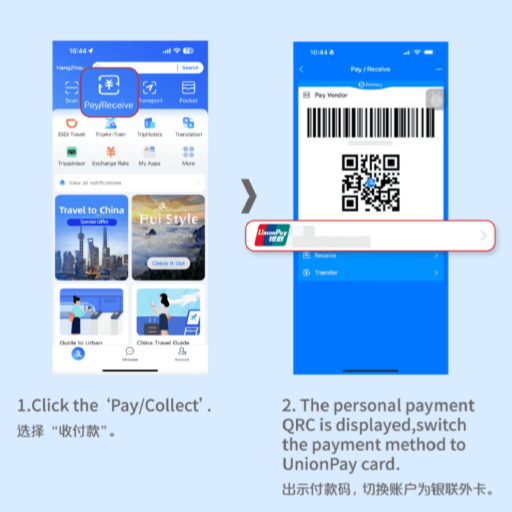
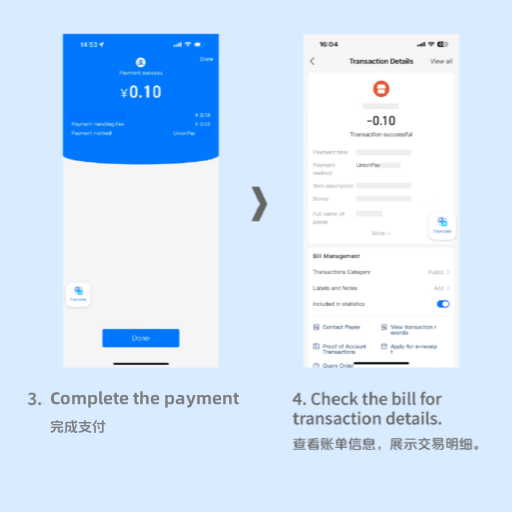
Let me walk you through a real day so you know what you’re getting into.
I woke up in my Shanghai Airbnb, checked my Alipay balance (¥340 left), and headed out. Stopped at a convenience store for breakfast—scanned the code on the counter, paid ¥12 for a bun and soy milk. Took the metro to Yu Garden—scanned the code at the turnstile, ¥4 fare deducted automatically.
Bought a ticket to the garden itself at a machine—scanned to pay ¥30. Wandered around, got thirsty, bought tea from a vending machine on the street—scanned, ¥6. Had lunch at a noodle shop—scanned the merchant’s code at the table, ¥28.
Called a Didi (Chinese Uber) to get to the Bund—linked my Alipay to the app earlier, payment happened automatically when I got out. ¥15. Walked along the river, stopped at a street vendor for grilled squid—¥10. Took the metro back—¥4.
Total spending: ¥109. Total times I touched my wallet: zero.
That’s what every day looks like once you have Alipay working. No tipping, no change, no “do you have smaller bills?”, no anxiety about whether they’ll take your card. You just scan and move on.
I used to think contactless payments in London were convenient. Alipay in China made London feel like the Stone Age.
When It Doesn’t Work (And What to Do About It)
My card got blocked mid-trip
Day four. Tried to top up my Tour Pass balance. Got an error message. Tried again—same error. Checked my UK banking app and saw a fraud alert.
Turns out my bank saw repeated charges from “Alipay China” and decided I was being scammed. Thanks, Barclays.
I had to call their international line (expensive), confirm these were legitimate transactions (annoying), and wait 24 hours for them to unblock my card (infuriating).
Solution: Before you fly, call your bank. Tell them you’ll be making Alipay transactions in China. Get them to note it on your account. This saves you from having your card frozen when you’re 6,000 miles from home.
The 90-day expiration caught me off guard
Any money you load onto Tour Pass expires after 90 days. I didn’t realize this until I checked my balance in week two and saw a countdown timer next to it.
It’s not a huge issue if you’re visiting for a few weeks—you’ll easily spend ¥500-1000 on food and transport. But don’t get clever and load ¥5000 thinking you’ll use it across multiple trips. You won’t. It’ll expire, and you’ll lose it.
Load what you’ll actually spend in the next month or two, then reload when needed.
Some places still don’t take it
I found exactly three places in two weeks where Alipay didn’t work: one ancient taxi driver in rural Zhejiang, one family-run guesthouse in a mountain village, and one street vendor who was probably 90 years old and didn’t own a smartphone.
In all three cases, cash saved me. This is why you keep that emergency ¥200.
If Alipay Completely Fails You
Look—I’ve been pretty aggressive about telling you to use Alipay. But I’m not naive. Sometimes it just doesn’t work. Your card gets rejected and you can’t figure out why. The app glitches. Your bank blocks you. Whatever.
If that happens, pivot to WeChat Pay. The setup is more annoying, but it’s a solid backup. Some merchants prefer it anyway, especially in smaller cities. Download WeChat, link your card (try a different one if Alipay rejected your first choice), and verify your identity the same way.
Between Alipay and WeChat Pay, one of them will work. And once either one works, you’re golden.
Need help with WeChat setup? This guide on WeChat QR codes breaks down exactly how payments work in that app, including the weird quirks Alipay doesn’t have.
Stop reading. Open your app store. Download Alipay. Follow this step-by-step setup guide if you get stuck. Get it working before you leave.
